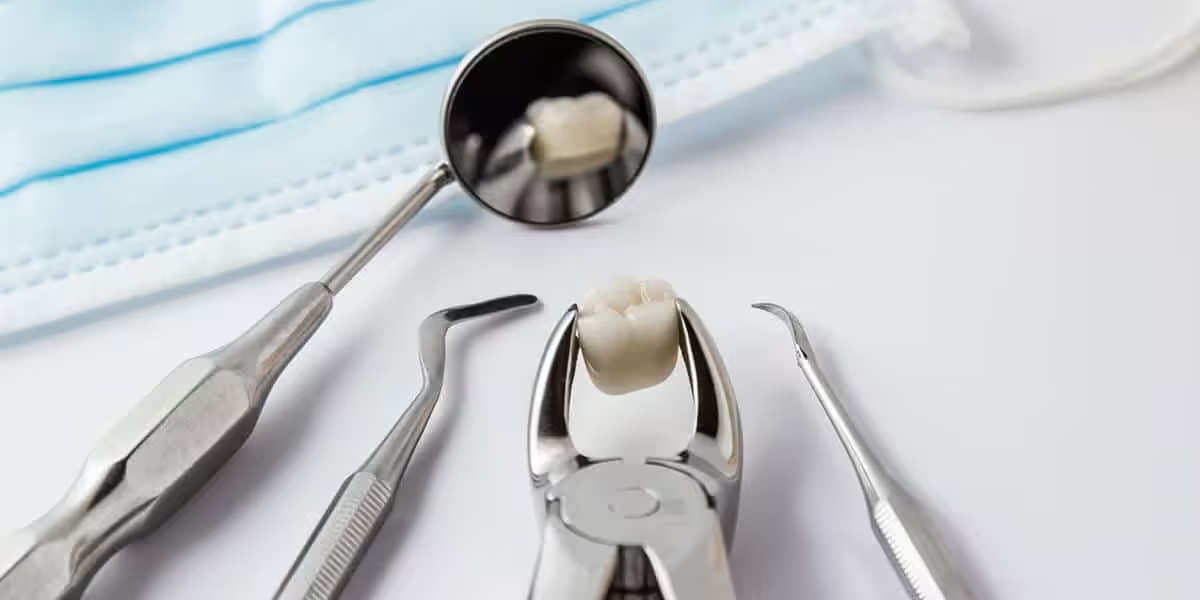
Sometimes a tooth cannot be restored and must be removed.
Dentists will make every attempt possible to save a natural tooth – even when a tooth is broken or has significant decay. The ideal solution is always to restore it using a filling, crown, or other procedure. If restoration is not possible or advisable due to the condition of the tooth, an extraction may be recommended to prevent infection and achieve or maintain oral health.
A dental extraction may be beneficial when:
- A baby tooth is badly decayed or infected
- A tooth is injured or damaged as the result of trauma
- Teeth are overcrowded
Most extractions can be performed with the use of local anesthesia to numb the area around the tooth. The tooth is then gently loosened and removed. Immediately after the tooth is removed, gauze pads are placed for the patient to bite down on the tooth socket to apply pressure and stop bleeding. Stitches are sometimes needed, and may dissolve or require removal at a follow-up appointment.
Benefits of a Tooth Extraction
While an extracted tooth is the last resort, there are certain situations that may warrant it – and benefit you, too. A few of these include:
- Relief of pain caused by troubled tooth
- Removal of persistent infection
- Restored bite alignment
- Help to protect the rest of the teeth
- Overcome crowding